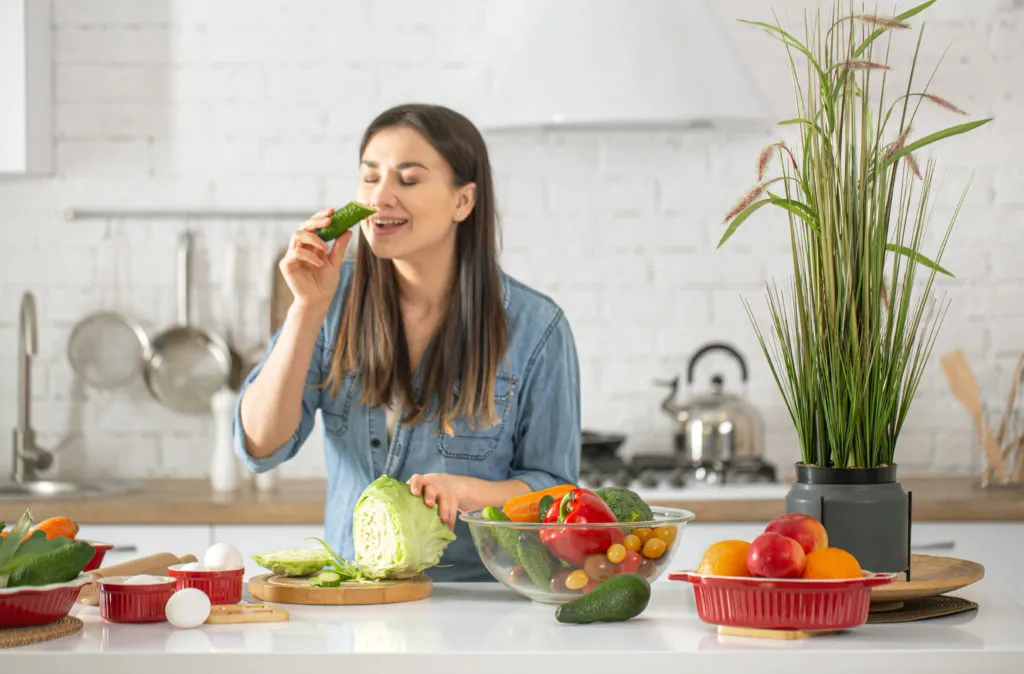
Crisp grain salads
Raw vegetables, toasted seeds, and sturdy greens keep audible snap while acids stay gentle.
Skill focus: knife rhythm · chill timing
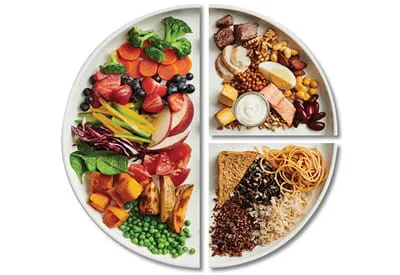
We favor imperfect surfaces, natural grain, and plain language. Nutrition facts appear as supportive context, not dramatic promises.
Each guide explains how ingredients behave—why a spice reads louder when toasted, how acid lifts fat, when a vegetable prefers quick heat. The goal is steady skill-building that respects regional availability across New Zealand.
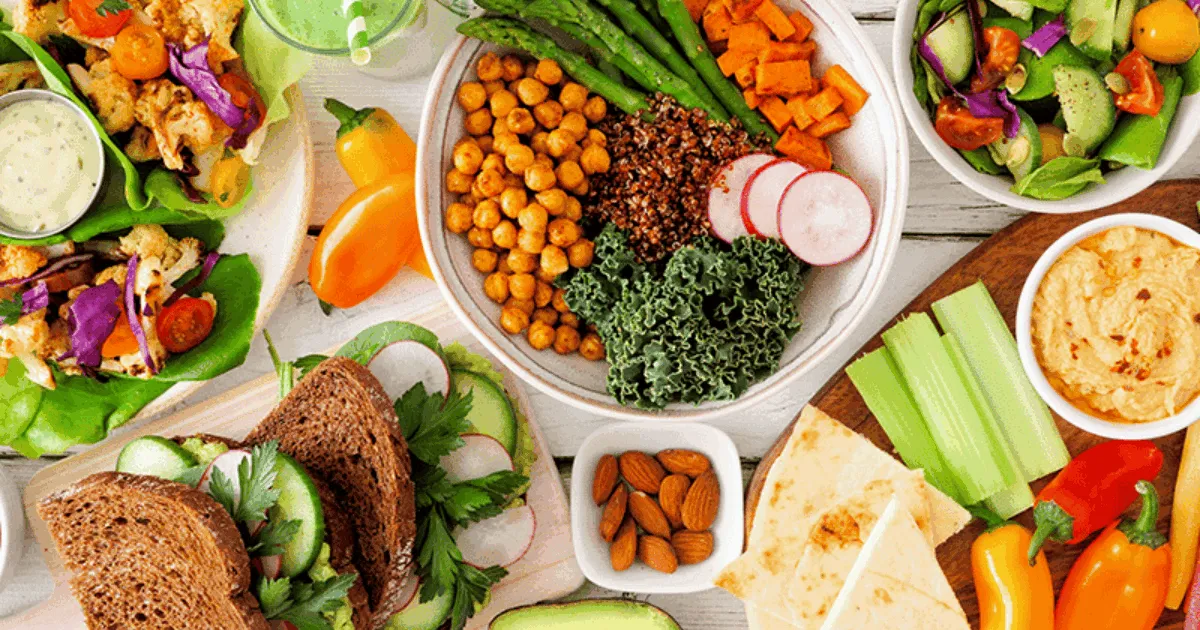
Use the floating dock to emphasize crunch, silk, or warmth. Cards respond so you can preview how a lesson might feel on the palate.
Raw vegetables, toasted seeds, and sturdy greens keep audible snap while acids stay gentle.
Skill focus: knife rhythm · chill timing
Slow-blended legumes with olive oil carry smooth mouthfeel without relying on excess dairy.
Skill focus: blender staging · fat balance
Controlled oven color adds brittle edges that contrast softer vegetables on the same plate.
Skill focus: heat zones · cooling racks

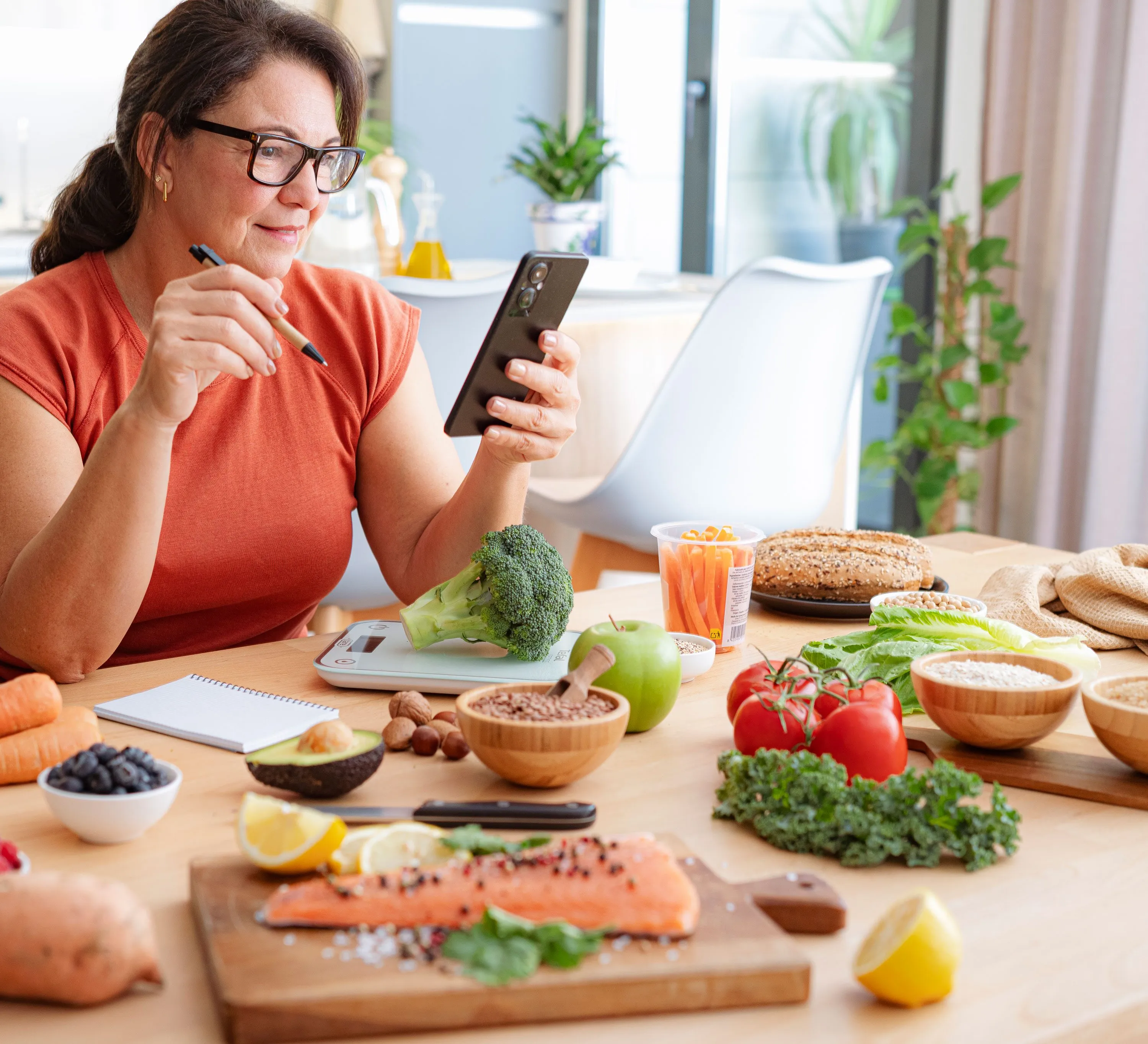
Photography here favors shadow play and tactile surfaces. We avoid sterile glare so readers can imagine handling real ingredients.
Articles pair descriptive cues with practical checkpoints: sound, aroma, and resistance under the knife. That sensory roadmap replaces vague timing phrases.
Browse pantry cards
Editorial staff respond during weekday hours. Share sourcing hurdles, classroom requests, or collaboration notes—we reply with neutral guidance.
Studio visits by appointment · correspondence archived securely
Contact page